![]() India is fast becoming a hot relocation destination. With consistently high GDP growth and an increasingly important role on the worldwide stage, there is much to attract companies to this dynamic and entrepreneurial country. We provide some insights into successfully relocating employees to India. Click here for rough guides to major cities in India
|
|
| Moving to India? What you can – and can't - take with you |
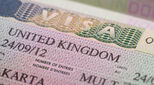
Stephen Levitt, of removals specialist Clark & Rose, has some guidance for those relocating to India on what can, and cannot, be imported into the country. Moving to India can certainly be a culture shock, especially as a foreign national. India is evolving at a pace so rapid that it has left its title of 'developing country' far behind; the increasing number of people moving to India is an indicator of the boom in the Indian economy and the vast opportunities on offer there. Before planning a relocation to India, you need to ensure you understand your legal situation. Depending on your nationality and the purpose of your trip, you may require an entry visa, residence permit and/or work permit, and currently all foreign nationals coming to India are required to have a valid passport and a valid Indian visa. |
| Read more... |
| Malaria: the facts |
Malaria is a serious disease that can have long-term effects but is both preventable and curable, says Dr Sneh Khemka, medical director of Bupa International. According to the World Health Organisation (WHO), which is responsible for monitoring malaria around the world, about 40% of the world's population, mostly those living in the poorest countries, are at risk of malaria. Of these, 2.5 billion people are at risk, more than 500 million become severely ill with malaria every year, and more than 1 million die from the effects of the disease. Malaria is a disease that can be transmitted to people of all ages, but it is both preventable and curable. It is caused by a parasite called Plasmodium, which is transmitted via the bites of infected mosquitoes. There are two kinds of malaria, Plasmodium flaciparum and Plasmodium vivax. The former is a severe type that may kill people, whereas the latter is mild but has long-term effects. When the parasite enters the human body, it multiplies in the liver before infecting the body's red blood cells. If malaria is not treated, it can disrupt the blood supply to vital organs, and quickly becomes a life-threatening disease. A fever, headache, and vomiting are the best-known symptoms of the disease and usually appear between 10 and 15 days after the mosquito bite. Before going to malaria risk countries, travellers should seek advice from their own doctor or clinic to discuss antimalarial and vaccination requirements, ideally at least eight weeks before travel. By taking other precautions to reduce the chances of getting bitten, for example applying insect repellent (ideally up to 50% DEET) to any exposed skin and sleeping under a mosquito net that has been covered with insect repellent, will give added protection. It is important to remember that antimalarials should be taken after a traveller returns home. The malaria parasite can remain in the body and reproduce rapidly, which potentially leaves a traveller exposed to malaria even when they are back from their trip. Early diagnosis and prompt treatment are the basic elements of malaria control. Effective treatment will shorten the duration of malaria and prevent the development of any complications that could result in death from the disease. Most cases and deaths are in sub-Saharan Africa. However, Asia, Latin America, the Middle East and parts of Europe are also affected. Travellers from malaria-free regions going to areas where there is malaria transmission are highly vulnerable – they have little or no immunity and are often exposed to delayed or wrong malaria diagnosis when returning to their home country. It is important that returning travellers who are suffering from any flu-like symptoms notify their doctor that they have been visiting a country that is at risk, to ensure a correct diagnosis. There has been a significant rise in the number of cases in malaria-free countries, associated with increased travel and limited precautions. With death rates from malaria still high and statistics showing that a child dies every 30 seconds from the disease, it is a disease that should continue to be taken seriously the world over. |
| Guidance on issuance of Indian business and employment visas |
In recent months, the Indian authorities have made significant changes to policies and procedures governing Indian visa applications, including clarification on the issuance of business visas and application for employment visas by third country nationals. |


A global survey of hiring and firing trends, covering more than 9,600 organisations in 55 countries, has found job prospects for professionals and managers continuing to improve.
With 30 per cent of companies still intending to increase assignment volumes this year, India is one country likely to be in their sights. Ruth Holmes finds out how this booming BRIC economy is bucking the trends.
With a population of over one billion, India is a complex society made up of people with a multitude of languages, customs and differing values. Understanding these differences and being prepared for unfamiliar situations will help the employee and his or her family who are relocating to the region.
The latest