Open Days | Directory listing
For families considering an international education, choosing the right school is about far more than academic results. It is about finding an environment where your child can develop confidence, build meaningful relationships and gain the skills to navigate an increasingly interconnected world.
But what if the final two years of secondary education could offer something beyond a recognised qualification? What if your child could live and learn alongside young people from different countries, cultures and circumstances, discovering as much about themselves and the world as they do in the classroom?
At United World Colleges (UWC), this is at the heart of the educational experience.
UWC is a global education movement comprising 18 schools and colleges across four continents, united by a mission to make education a force to unite people, nations and cultures for peace and a sustainable future.
For families seeking an alternative to conventional international schooling, UWC offers an education that combines academic challenge, intercultural understanding, community engagement and personal growth.
An international community unlike any other
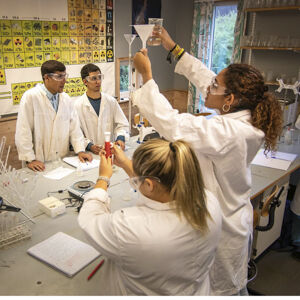
Many international schools bring together students of different nationalities. What distinguishes UWC is the remarkable diversity of its student communities, not only in where students come from, but in their cultures, experiences and perspectives.
Young people from more than 150 countries come together, bringing different languages, beliefs and ways of seeing the world. Unlike environments where students may share similar circumstances and experiences, UWC intentionally creates communities where young people learn alongside others whose lives may look entirely different from their own.
This diversity is central to the educational experience.
A conversation over dinner might challenge a long-held assumption. A classroom discussion might reveal how differently the same global issue is experienced around the world. Working together on a community project might demonstrate the importance of listening, cooperation and shared responsibility.
For young people accustomed to international travel and opportunity, this offers something particularly valuable: the chance to develop a deeper understanding of the world through genuine relationships with people from different backgrounds.
At UWC, international understanding is not simply taught. It is lived.
Academic ambition with a wider purpose
UWC combines its distinctive approach to education with internationally recognised academic programmes.
All 18 UWC schools and colleges offer the International Baccalaureate Diploma Programme (IBDP), a rigorous two-year qualification that prepares students for university and encourages independent thinking, research and intellectual curiosity.
UWC also has a longstanding connection with the International Baccalaureate, having played an important role in its early development.
Students are encouraged to make connections between subjects, explore challenging questions and consider how their learning relates to the world beyond school.
But academic study is only one part of the experience.
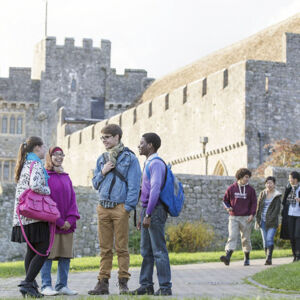
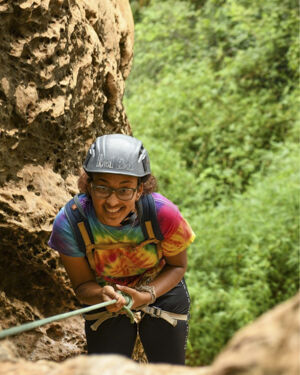
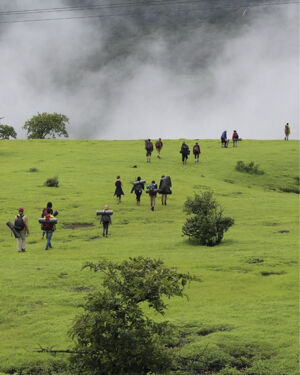
Across UWC schools, learning is complemented by creative pursuits, physical challenges, service activities and opportunities for engagement with local communities.
Depending on the school, students might participate in environmental conservation, outdoor expeditions, community initiatives, cultural activities or student-led projects addressing social and environmental challenges.
These experiences encourage young people to take initiative, work collaboratively and develop a sense of responsibility towards others.
They also provide space to explore interests beyond familiar subjects and discover capabilities they may not have recognised in themselves.
The result is an approach to education that values academic achievement alongside curiosity, compassion, resilience and a willingness to contribute.
Independence, belonging and support
For parents, the prospect of their teenager living away from home, potentially in another country, is a significant decision.
Alongside questions about academic performance, there are equally important considerations about wellbeing, friendships, safety and how a young person will adapt to a new environment.
Residential life is a defining feature of the two-year UWC experience at its residential schools and colleges, creating opportunities for learning that extend well beyond the classroom.
Students share living spaces, develop friendships, participate in communal activities and take responsibility for aspects of everyday life.
They learn how to manage their time, balance competing priorities, navigate disagreements and contribute to a community where consideration for others matters.
Of course, becoming independent is not always straightforward. Adjusting to a different culture, managing academic demands or spending time away from family can be challenging.
UWC recognises the importance of supporting students through these experiences. Pastoral care, safeguarding and wellbeing are central to its schools, with experienced staffhelping young people navigate the personal and practical aspects of school life.
Specific residential arrangements and support structures vary between schools, allowing families to explore the environment that best suits their child.
It is this combination of growing independence and community support that makes living and learning at UWC such an important part of the educational journey.
Preparing for university and a changing world
For many families, university preparation is an important factor when choosing a school.
The International Baccalaureate is recognised by universities around the world, providing students with a strong academic foundation for their next steps.
Yet preparing students for what comes next involves more than achieving a qualification.
Living and studying with peers from different backgrounds encourages young people to communicate across cultures, approach unfamiliar situations with greater confidence and consider viewpoints beyond their own.
These are valuable qualities for university life, particularly for students planning to continue their education internationally.
UWC graduates also become part of a worldwide alumni community of more than 91,000 people across 180 countries.
From university and professional life to volunteering and community initiatives, the UWC network offers opportunities for graduates to remain connected with people who share a commitment to the movement's values.
Although each graduate follows their own path, the relationships and experiences developed during their time at UWC can continue to influence how they engage with the world long after leaving school.
A different kind of international school experience
For families who relocate frequently, helping a child feel settled and connected is often a priority.
Moving schools can mean rebuilding friendships, adjusting to different expectations and finding a sense of belonging within an unfamiliar community.
UWC offers a different proposition.
Rather than simply providing continuity through an international curriculum, it brings together young people from across the world to participate in a shared educational experience.
Many arrive from different countries and educational systems, each bringing their own perspectives, expectations and experiences. For students, this can create common ground as they adapt to new surroundings.
The shared experience of residential life also offers opportunities to develop connections beyond nationality, language or cultural background. Through everyday interactions, students learn how to build relationships, navigate differences and find their place within a diverse community.
And while UWC may particularly appeal to internationally mobile families, it is equally relevant to those who have never relocated but want their child to experience a genuinely global education.
The opportunity is not simply to study in another country. It is to become part of a community where differences are valued, assumptions are questioned and young people are encouraged to consider their responsibilities to the wider world.
Your route to UWC: the Global Selection Programme
For families seeking a full-fee place at a UWC school or college, the Global Selection Programme (GSP) offers a direct application route managed by UWC International.
For Entry 2027, the programme is available at 16 UWC schools and colleges worldwide, including UWC Adriatic in Italy. Families can express preferences for one or more participating schools, considering locations, educational environments and the individual character of each community.
The application process considers much more than academic achievement, looking at each young person's motivation, character, potential and readiness to contribute to UWC life.
Applications are open for Entry 2027, with places limited and availability managed through successive application windows. Families interested in a particular school are encouraged to apply early. Admission remains subject to meeting UWC's selection requirements.
For parents considering their child's final two years of secondary education, UWC offers more than preparation for university. It offers an opportunity to develop independence, discover new perspectives and form meaningful connections with people from around the world.
The qualification is an important part of the journey. The experiences, friendships and understanding gained along the way can stay with young people long after they leave.
Discover UWC and explore your options for Entry 2027 through the Global Selection Programme.

Open Day
We are delighted to invite you to our next Open Houses from 9:00 AM to 12:30 PM.
These mornings will be the perfect opportunity to discover our school from all angles and ask all your questions to our staff. A coffee will be offered upon your arrival, and you will then be able to attend our presentations and tour our campus and a boarding house.
Saturday, 14 November 2026
Saturday, March 20th 2027
Directory Listing