Relocating Overseas, Settling Well
What relocating families should look for in an international primary school
27 February 2026
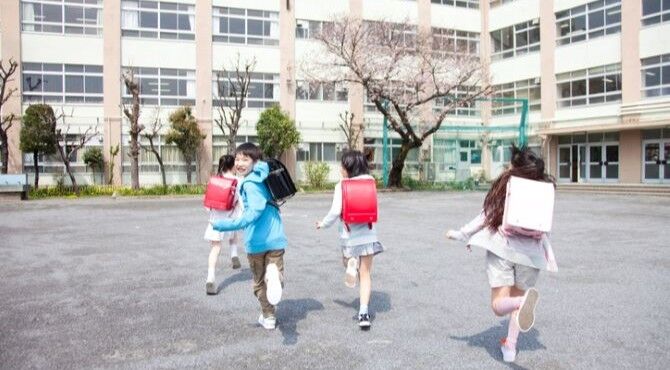
When families relocate, they often arrive with a long checklist. Curriculum. Facilities. Class size. Results. These matter, but they are rarely the reason a child thrives after a move. In my experience, the most important question is simpler. Will my child feel safe, known and genuinely included from day one?Primary education is not a waiting room for middle or high school. It is where children build the habits and beliefs that shape how they learn for the rest of their lives. For internationally mobile families, that foundation matters even more because children are often navigating new languages, routines, friendship groups and cultural cues at the same time.So what does settling well look like for a child who is starting again? It looks like belonging, strong relationships and steady routines. It looks like learning that is both caring and appropriately challenging. It looks like a school that communicates well with families and notices the small things before they become big ones.Here are five questions I encourage relocating parents of primary age children to ask when visiting potential schools:First, how will you help my child settle and make friends? Ask what the first two weeks look like. Who checks in. How the class teacher and support staff notice a child who is quiet, overwhelmed or masking nerves. In a new country, children do not just learn the timetable. They learn whether they are safe to be themselves.Second, how do you ensure children are both supported and stretched? A warm school should never be a soft school. Children need adults who understand them well enough to know when to scaffold and when to step back. Ask how teachers use assessment to plan next steps, and how they build confidence without lowering expectations.Third, what does communication with families really look like? Relocation brings uncertainty, and parents need clarity. Ask how often you will hear from school, what you will see of your child’s learning, and how easy it is to raise a concern early. Good communication is not about volume. It is about trust, responsiveness and shared responsibility.Fourth, how do you care for wellbeing as part of learning? Ask what children are taught about emotions, relationships, kindness and service. Ask how staff respond to friendship issues, worry or transitions. A school’s ethos is not what is written on the website. It is what happens on an ordinary Tuesday when something goes wrong.Fifth, how does the school build global awareness in a way that feels real for young children? Global citizenship is not a poster on the wall. It is children learning to listen, to collaborate, to be curious about differences and to show compassion in practical ways. Ask for examples. What do children actually do? How do they learn to contribute and make a difference?Finally, there is one other topic many parents raise and it deserves a thoughtful answer. What about technology in a primary school? Devices can be a powerful tool when they are used with purpose. The key is that technology should serve learning, not replace it. Ask how children learn to research safely, create, think critically and collaborate. Ask how screen time is balanced with talk, play, practical work and reading. In the best classrooms, digital learning is part of a wider approach that develops confident, capable learners, not just competent users.After any relocation, what truly shapes a child’s experience is a caring environment where adults know them, believe in them and work in genuine partnership with their family. In the early years and primary phase, settling well is not guaranteed by a score or a label. It is the quiet confidence of walking into a new classroom and feeling, quite quickly, that this is a place where your child will be seen, supported and appropriately challenged.

Subscribe to Relocate Extra, our monthly newsletter, to get all the latest international assignments and global mobility news.Relocate’s new Global Mobility Toolkit provides free information, practical advice and support for HR, global mobility managers and global teams operating overseas.
Visit St Michael's International School's Featured School page

Find out more about the Think Global People and Think Women community and events.
Subscribe to Relocate Extra, our monthly newsletter, to get all the latest international assignments and global mobility news.Relocate’s new Global Mobility Toolkit provides free information, practical advice and support for HR, global mobility managers and global teams operating overseas.
©2026 Re:locate magazine, published by Profile Locations, Spray Hill, Hastings Road, Lamberhurst, Kent TN3 8JB. All rights reserved. This publication (or any part thereof) may not be reproduced in any form without the prior written permission of Profile Locations. Profile Locations accepts no liability for the accuracy of the contents or any opinions expressed herein.