Why time in nature matters more than ever for children
The International School of London explains how their Forest School programme helps children build confidence, strengthen their problem‑solving abilities, and deepen their connection to the world around them.
20 March 2026
Visit the International School of London's Featured School page
When was the last time your child climbed a tree, built a shelter or spent an afternoon simply exploring outdoors?For many children today, those experiences are becoming rare. Between homework, structured activities and the pull of screens, time in nature can easily disappear from everyday life.Yet spending time outdoors is one of the most effective ways to support children’s wellbeing. Research continues to show the positive impact of nature on mental health, focus and resilience. When children have the chance to slow down and engage with the natural world, the difference is often immediate.At the International School of London, we see this every week through our Forest School programme in Gunnersbury Park.
A classroom without walls
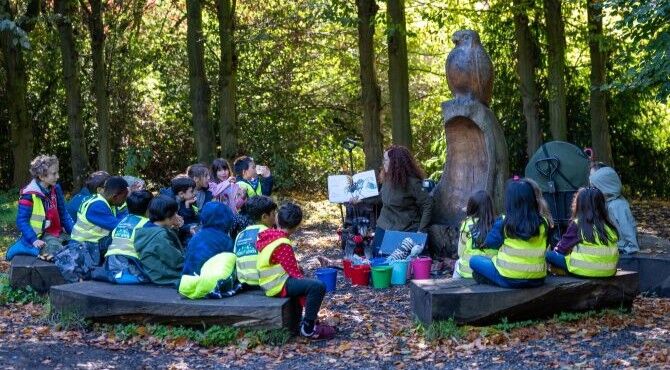
Forest School gives children something many are missing: time, space and freedom to explore.Instead of sitting in a classroom, students learn through hands-on experiences outdoors. They build shelters, observe wildlife and work together to solve practical challenges.The sessions are child-led, encouraging curiosity and independence. Over time, children develop confidence, problem-solving skills and a stronger connection to the world around them.Just as importantly, it offers a break from screens and busy routines.Supporting wellbeing and confidence
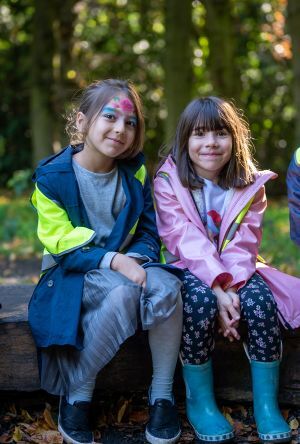
Time in nature plays an important role in supporting mental health. Fresh air, movement and open space help children feel calmer and more focused.In this environment, children are encouraged to take manageable risks, work together and try new things. These experiences build both physical skills and self-confidence.For many, it becomes a highlight of the week.Learning to care for the environment
Regular time outdoors also helps children understand sustainability in a meaningful way.By observing how the woodland changes across the seasons, they begin to notice patterns, relationships and the importance of caring for the natural world.This first-hand experience often leads to a deeper, more lasting sense of responsibility than learning about these ideas in theory.Come and find out for yourself
If you would like to see this approach in action, we warmly invite families to visit us on Saturday 9 May for our next Open Morning. During the visit, you will have the chance to discover the truly diverse and outstanding education ISL offers; explore the school, meet our teachers and join our students in Gunnersbury Park to experience a Forest School session first-hand. Come and visit to understand how an ISL education helps children grow in confidence, curiosity and connection with the world around them.Visit the International School of London's Featured School page



Find out more about the Think Global People and Think Women community and events.
Subscribe to Relocate Extra, our monthly newsletter, to get all the latest international assignments and global mobility news.Relocate’s new Global Mobility Toolkit provides free information, practical advice and support for HR, global mobility managers and global teams operating overseas.
©2026 Re:locate magazine, published by Profile Locations, Spray Hill, Hastings Road, Lamberhurst, Kent TN3 8JB. All rights reserved. This publication (or any part thereof) may not be reproduced in any form without the prior written permission of Profile Locations. Profile Locations accepts no liability for the accuracy of the contents or any opinions expressed herein.